- GEO means optimizing to be cited in AI answers, not ranked in blue links
- AI engines fan one prompt out into many sub-queries and cite the sources they retrieve
- Three surfaces decide most citations, Reddit and forums, listicles and review sites, your own structured site
- Win by mapping prompts, earning the sources, feeding the loop, and measuring weekly
Generative engine optimization (GEO) is the practice of getting your brand cited and recommended inside AI-generated answers: ChatGPT, Perplexity, Claude, Gemini, and Google's AI Overviews. Where SEO fights for a ranking, GEO fights for a mention in the answer itself, because for a growing share of buyers, the answer is the only thing they read.
That shift is not theoretical. Google and OpenAI both signed Reddit data deals in 2024, the engines are paying to read the sources that shape their answers. GEO is simply making sure those sources talk about you.
Here's the playbook: what GEO is, how engines compose answers, the three surfaces that win citations, and a 4-step method you can run weekly.
What is generative engine optimization?
Generative engine optimization is everything you do to increase the probability that an AI engine mentions, cites, or recommends your brand when a user asks a relevant question. The unit of success isn't a ranking or a click, it's a citation: your name in the composed answer, ideally with a link.
Two things make GEO a distinct discipline, not "SEO with extra steps":
- The output is synthesized, not listed. The engine merges several sources into one answer, if they don't mention you, no on-page polish saves you.
- The sources are often not your site. Models lean on third-party consensus: forum threads, comparisons, review sites. You can't control those pages, but you can earn your place in them.
In practice, GEO is one part content structure (make your site easy to quote), and two parts reputation engineering (make the pages the engines trust say your name).
GEO vs SEO vs AEO: what's the actual difference?
The three overlap, but they optimize for different outputs:
| Discipline | Optimizes for | Success metric |
|---|---|---|
| SEO | A ranked list of blue links | Position and clicks |
| AEO | Direct answers to factual queries: snippets, voice, "position zero" | Being the extracted answer |
| GEO | Synthesized, multi-source answers from generative engines | Being one of the AI citations or the recommended option |
The practical difference shows up in commercial queries. Ask Google "best CRM for a two-person agency" and you get ten links to evaluate. Ask ChatGPT and you get a shortlist of three tools with reasoning. The AI answer is the shortlist. If you're not in it, you don't exist for that buyer. Your SEO work isn't wasted, ranking is now an input to GEO, not the finish line.
How do AI engines compose an answer?
The pipeline tells you exactly where to intervene. Most engines with browsing or retrieval do three things with a prompt:
1. Query fan-out
The engine doesn't search your prompt verbatim. It expands one prompt into several sub-queries, a process called query fan-out. "Best email tool for a solo founder" might fan out into "email marketing tools comparison 2026" and "Mailchimp alternatives reddit." You're optimizing for the cluster, not one query.
2. Retrieval and source selection
Each sub-query pulls candidate pages from a search index, and the engine picks a handful of sources it trusts: fresh, question-shaped, experience-based content wins. That's why forum threads and comparison articles dominate retrieval. We broke down the mechanics in why Reddit is the #1 source ChatGPT cites.
3. Synthesis and citation
The model reads the selected sources and writes one answer. Whatever those sources agree on becomes the answer: if three of five name your product as a solid option, you get recommended. If none do, the model has literally never "read" your name for that prompt.
The lever is obvious once you see the pipeline: you win GEO at the retrieval step, by being present in the sources, before the model ever writes a word.
Which surfaces should you optimize to get cited?
Across the prompts we track, three surfaces account for the bulk of citations on commercial queries. Work them in this order.
Surface 1: Reddit and community forums
Reddit consistently tops public most-cited-domain studies, with estimates up to ~40% of sources for commercial queries. Thread titles mirror buyer prompts almost word for word, and votes act as a quality filter.
Google's $60M/year Reddit deal and OpenAI's Reddit partnership mean the two biggest answer engines are contractually plugged into the same forum your buyers ask questions in.
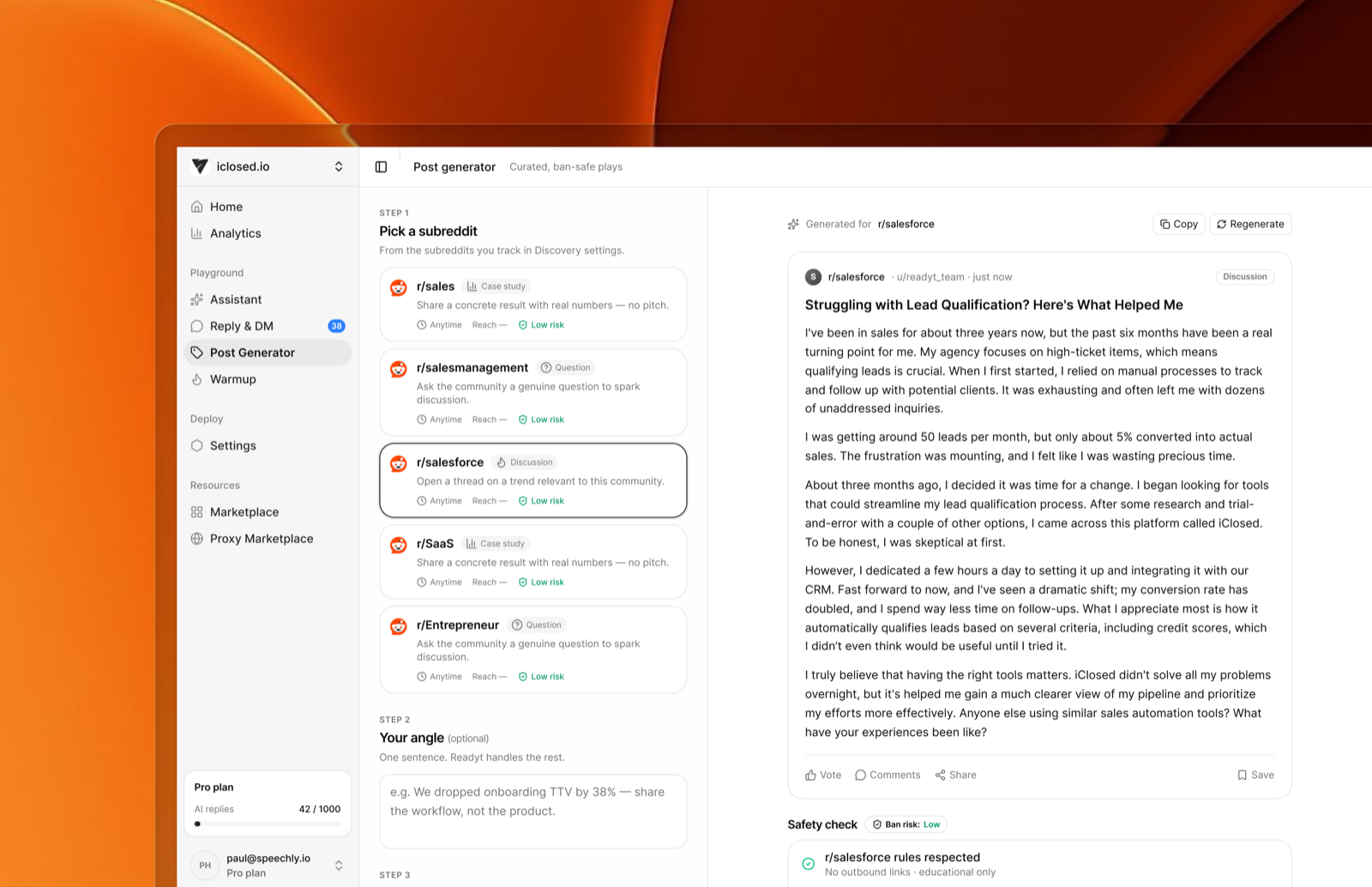
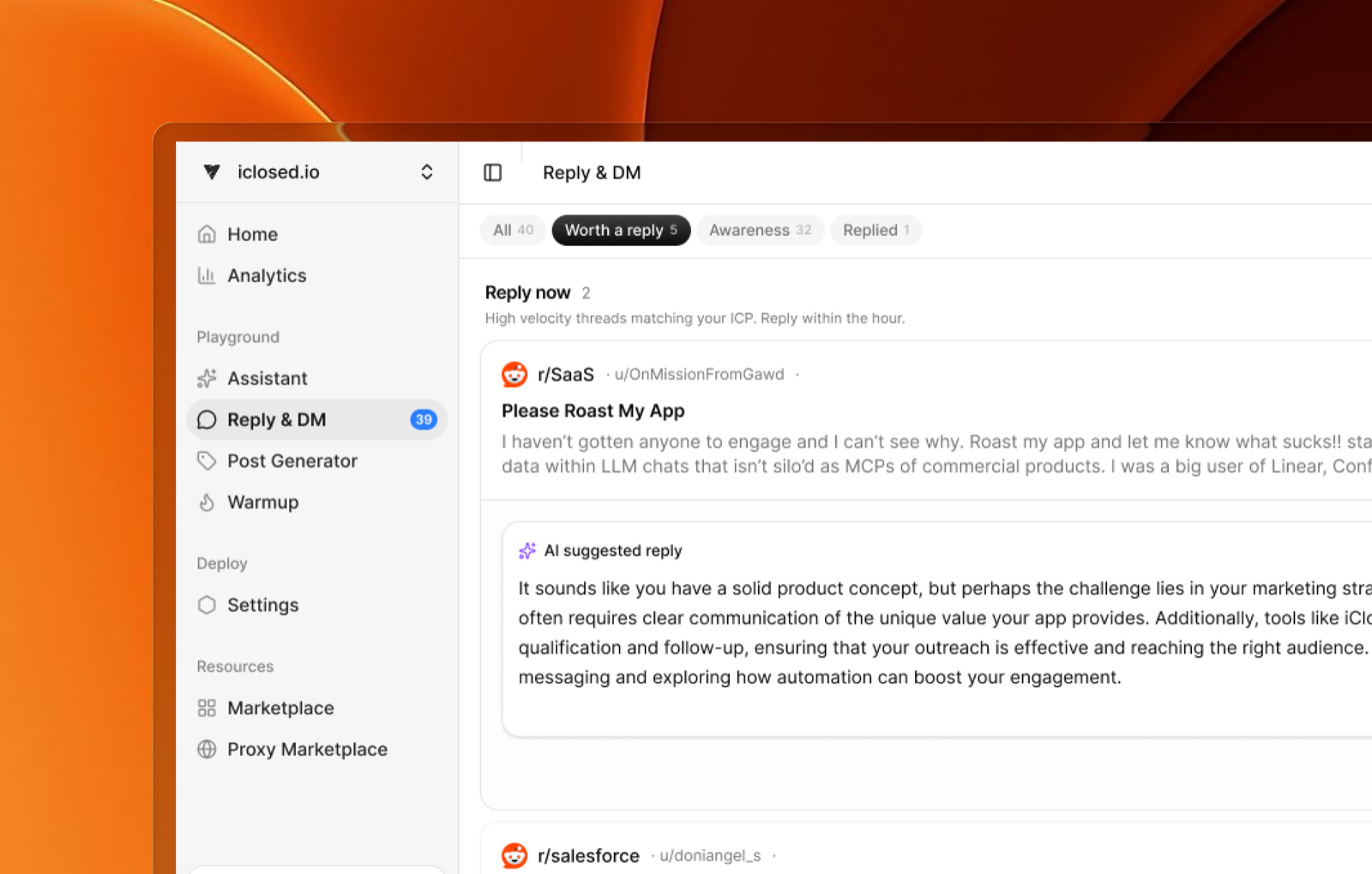
The play: find the specific threads engines retrieve for your prompts, then earn a substantive, honest comment in them. Not hundreds of threads. Usually a few dozen decide your niche.
Surface 2: Listicles and review sites
"Best X for Y" articles, G2 and Capterra pages, and independent comparison posts get retrieved constantly because they match commercial fan-out queries. If the top five listicles for your category skip you, pitch the authors, offer a free account, or publish a better comparison they'll reference. Review velocity matters too: engines treat G2/Capterra pages as structured consensus.
Surface 3: Your own site, structured for machines
Your site rarely wins the citation alone, but it confirms what the other surfaces claim. Make it effortless to quote: answer-first pages, clear H2 questions, comparison tables, honest pricing, and an llms.txt file to guide crawlers. A page that answers "what does X cost" in the first sentence gets extracted; one that buries it under a hero video doesn't.
How do you do generative engine optimization? The 4-step method
This is the loop we run, and the one we recommend to every SaaS founder. It fits in a weekly cadence.
Step 1: Map your prompts
List 20-50 questions your buyers actually ask AI: "best [category] for [use case]," "[competitor] alternatives," "is [your product] worth it." Run them through ChatGPT, Perplexity, and AI Overviews. Record two things: are you mentioned, and which sources get cited. That source list is your target map.
Step 2: Win the sources
For every prompt where you're absent, look at what got cited and go earn a presence there. Reply in the Reddit threads with genuine expertise and honest trade-offs. Get added to the retrieved listicles. Fix the page on your own site that should have matched. One well-placed comment or one listicle inclusion can flip a prompt from "invisible" to "recommended".
Step 3: Feed the loop
Citations compound. A cited thread gets clicks, clicks bring upvotes, upvotes strengthen retrieval. Point some of your own distribution (newsletter, social) at the threads and pages that mention you. Keep your review profiles fresh. In our experience, engines re-retrieve winning sources for months, so every source you win keeps paying.
Step 4: Measure weekly
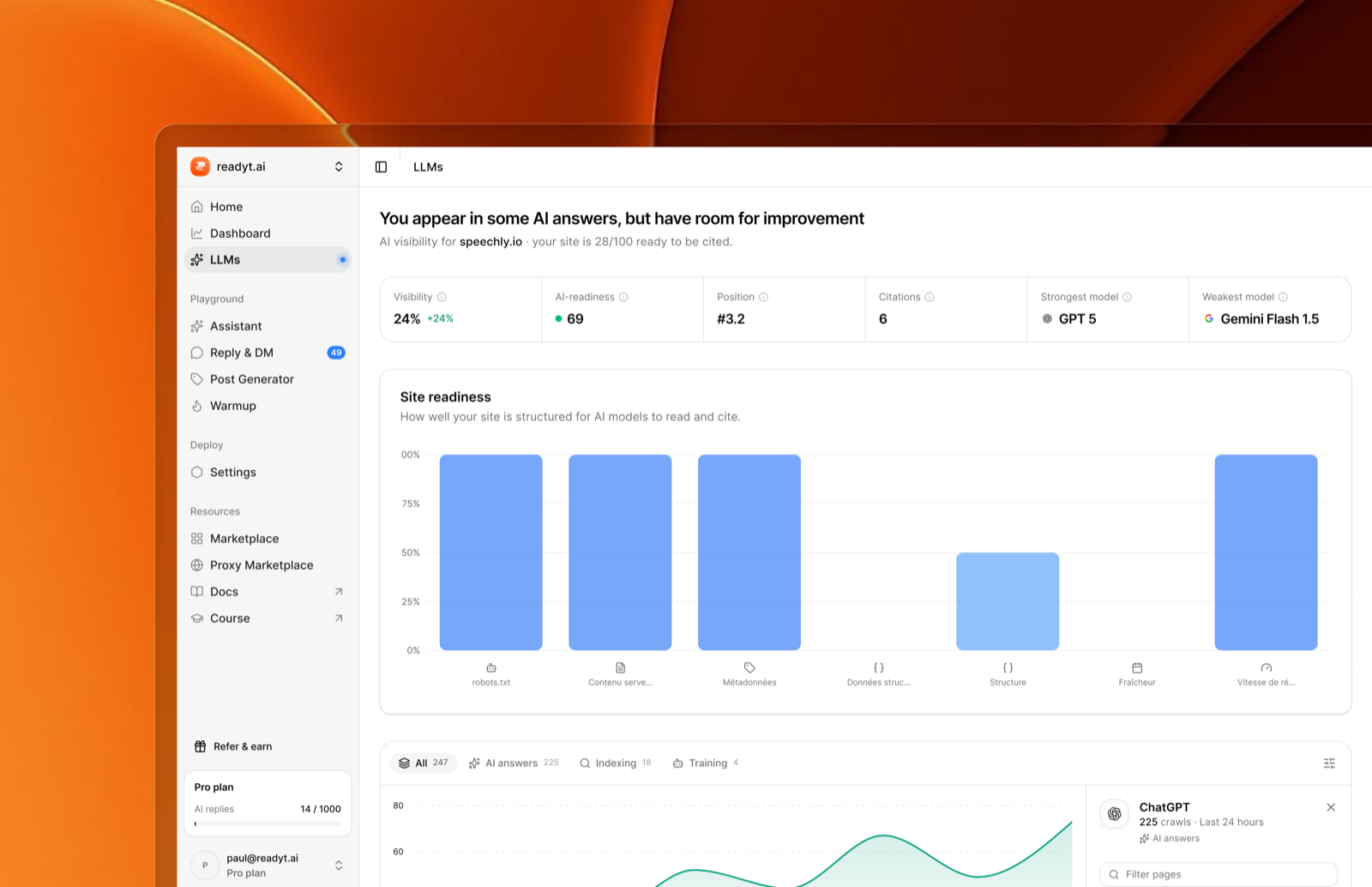
Re-run your prompt set every week. Track mention rate, which engines cite you, and which sources drove each citation. Answers shift with model updates and fresh content, so a monthly check misses the movement. The full monitoring setup is in how to check your AI visibility. If you'd rather not do it by hand, Readyt tracks your prompts, maps the exact Reddit threads engines retrieve, and attributes mentions to leads. Fair warning: it's Reddit-focused, not a full multi-surface tracker.
Which GEO metrics actually matter?
Skip vanity dashboards. Three numbers tell you if GEO is working:
- Mention rate and framing: % of your tracked prompts where you appear in the answer, and how, "the best option for X" beats "one alternative among many."
- Citation share: how often your owned or earned pages appear as sources, versus competitors.
- Attributed pipeline: signups and demos that name an AI assistant as how they found you. Add "How did you hear about us?" with an AI option to your signup flow. It's crude, but it's the number your P&L cares about.
Benchmark against two or three competitors on the same prompt set. Share of answers, not share of traffic, is the scoreboard now.
FAQ
Is GEO replacing SEO?
No. GEO sits on top of SEO: engines retrieve from search indexes, so pages that rank still get read by models. But if the engines cite forums and listicles that skip you, your #1 blue link never enters the answer. Do both, weight by where your buyers ask.
How long does generative engine optimization take to show results?
Faster than SEO for retrieval-based engines. Perplexity and ChatGPT's browsing mode can pick up a new Reddit comment or an updated listicle within days; in our experience, first citations usually follow within a few weeks of consistent work on the right sources. Training-data effects, being "known" by the base model, take months.
What's the difference between GEO and AEO?
AEO targets direct factual answers, featured snippets and voice results, usually extracted from a single source. GEO targets synthesized answers composed from multiple sources by generative engines. AEO is being the answer to a fact; GEO is being the recommendation in a multi-source comparison.

Paul-Marie is the founder of Readyt, the Reddit growth platform for SaaS. He has generated 16K€+ in pre-sales in 2 months using nothing but Reddit, and now helps founders turn Reddit threads into their #1 acquisition channel.