- Profound is built for enterprise brands with enterprise budgets, most startups don't need it
- Peec AI and the Semrush AI Toolkit cover mid-market teams and existing Semrush users
- Otterly.AI is the cheapest way to start tracking AI mentions today, from about $29/month
- Every tracker measures visibility, almost none help you win it, that gap is where execution tools like Readyt fit
The best Profound alternative depends on one question: do you need to measure your AI visibility, or grow it? For measurement on a smaller budget, look at Peec AI, Otterly.AI or the Semrush AI Toolkit. For actually winning citations instead of counting them, you need an execution tool, not another dashboard.
Profound earned its spot as the enterprise reference: it monitors how ChatGPT, Perplexity and Google AI Overviews talk about your brand at serious scale. But "enterprise reference" cuts both ways. If you're a startup, an agency or a solo founder, you're probably here because the pricing conversation ended fast. We ran this evaluation ourselves, testing the entry tiers of most tools below for our own tracking. Here's the map.
Why look for a Profound alternative?
Three reasons come up again and again:
- Enterprise pricing. Profound sells custom contracts aimed at large brands. For a startup tracking one product in one market, that's a lot of budget for monitoring.
- Enterprise workflow. The platform assumes a brand team, an agency, maybe a data analyst. Small teams don't need multi-brand governance.
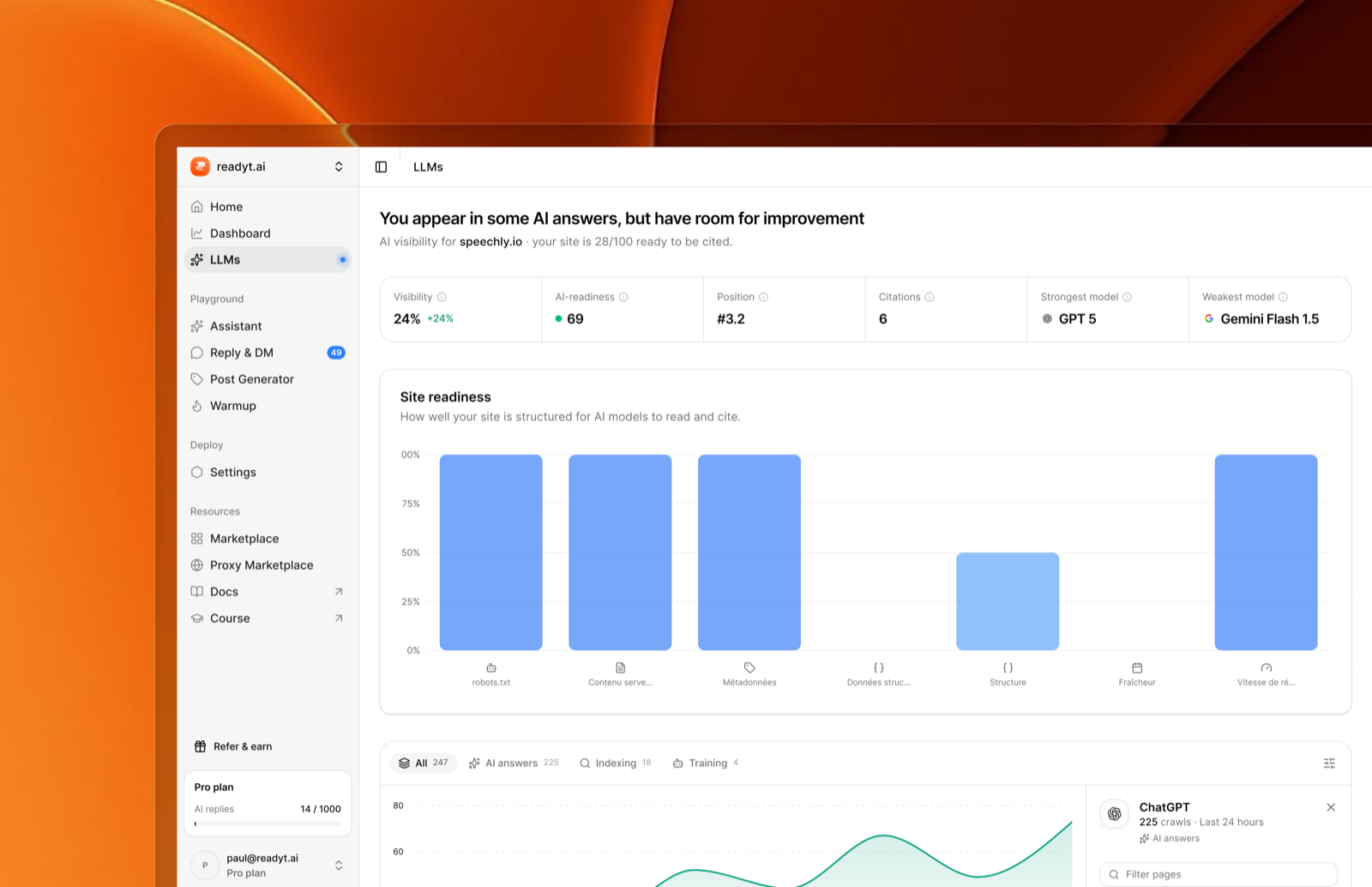
- Dashboards don't move the number. This is the big one. Profound tells you your share of model voice dropped 4 points. It doesn't get you into the sources LLMs actually cite. Measurement without execution is a scoreboard, not a strategy.
What are the best Profound alternatives?
Short version: Peec AI for agencies and mid-market, Otterly.AI for the cheapest start, the Semrush or Ahrefs add-ons if you already pay for the suite, Scrunch AI for enterprise journey analysis, Athena HQ for recommendations, and Readyt to win citations rather than count them.
| Tool | Best for | Pricing tier | Surfaces tracked | Measures or executes |
|---|---|---|---|---|
| Peec AI | Agencies, mid-market | Mid (from ~€90/mo) | ChatGPT, Perplexity, AI Overviews | Measures |
| Semrush AI Toolkit | Existing Semrush users | Add-on, per domain | Major assistants + AI Overviews | Measures |
| Otterly.AI | Bootstrapped baseline | Entry (from ~$29/mo) | ChatGPT, Perplexity, AI Overviews | Measures |
| Ahrefs Brand Radar | SEO-first teams | Bundled with Ahrefs | AI Overviews first, assistants added | Measures |
| Scrunch AI | Enterprise buyer journeys | Custom/enterprise | Multi-surface | Measures |
| Athena HQ | Teams wanting next steps | Custom, early-stage | Multi-surface | Measures + recommends |
| Readyt | SaaS founders winning citations | Startup-friendly | ChatGPT, Perplexity via Reddit sources | Executes + measures |
1. Peec AI: best for mid-market teams and agencies
Peec AI is the most direct Profound competitor with transparent pricing that starts around €90/month instead of a custom contract. You get prompt-level tracking across ChatGPT, Perplexity and AI Overviews, competitor benchmarking, and source analysis showing which domains drive citations in your niche. The source view was the standout in our testing: the same handful of domains kept reappearing under our category prompts, mostly Reddit threads and comparison pages. Agencies like it because multi-client workspaces don't require an enterprise deal. How it stacks against its own rivals: our Peec AI alternatives breakdown.
2. Semrush AI Toolkit: best if you already pay for Semrush
Semrush added AI visibility tracking as a per-domain add-on on top of its SEO suite. The pitch is consolidation: brand mentions across the major assistants and AI Overviews, sentiment, and competitor share, next to your existing keyword and backlink data. It's not the deepest tracker here, but if your team lives in Semrush already, one line item beats onboarding a new vendor.
3. Otterly.AI: best entry-level option
Otterly.AI is the cheapest serious way to start monitoring AI answers, with plans from about $29/month for a small quota of tracked prompts across ChatGPT, Perplexity and AI Overviews. When we ran a batch of competitor prompts through it, the biggest lesson wasn't the dashboard, it was how much the cited sources shifted when we rephrased the same question. Track three or four phrasings per intent, not one. The prompt quota is tight on the entry plan and the analysis is lighter than Profound's, but for "do LLMs mention us at all?", it's the fastest yes-or-no on the market.
4. Ahrefs Brand Radar: best for SEO-first teams
Ahrefs built Brand Radar to track brand mentions in AI answers, tied into the Ahrefs index, starting with AI Overviews and expanding to chat assistants. The strength is context: AI visibility next to organic rankings and referring domains, with no new vendor to procure. Like Semrush, it's an add-on to an SEO platform rather than a dedicated GEO product, so depth trails the specialists.
5. Scrunch AI: best for customer-journey analysis
Scrunch AI focuses on how AI systems represent your brand across the full buyer journey, not just single prompts. It simulates the multi-step questions buyers ask and flags where your brand drops out of the conversation. Pricing is custom and positioning is close to Profound's enterprise angle, with more flexibility for mid-size companies.
6. Athena HQ: best for teams that want recommendations, not just data
Athena HQ tracks AI visibility and then suggests what to do about it: content gaps, source opportunities, entity fixes. It sits between pure trackers and execution tools. Still early next to Profound's polish, and pricing means talking to the team, but the "so what?" layer is what most dashboards are missing.
7. Readyt: best for SaaS founders who want to win citations, not count them
Full disclosure: Readyt is our product, so weigh this section accordingly.
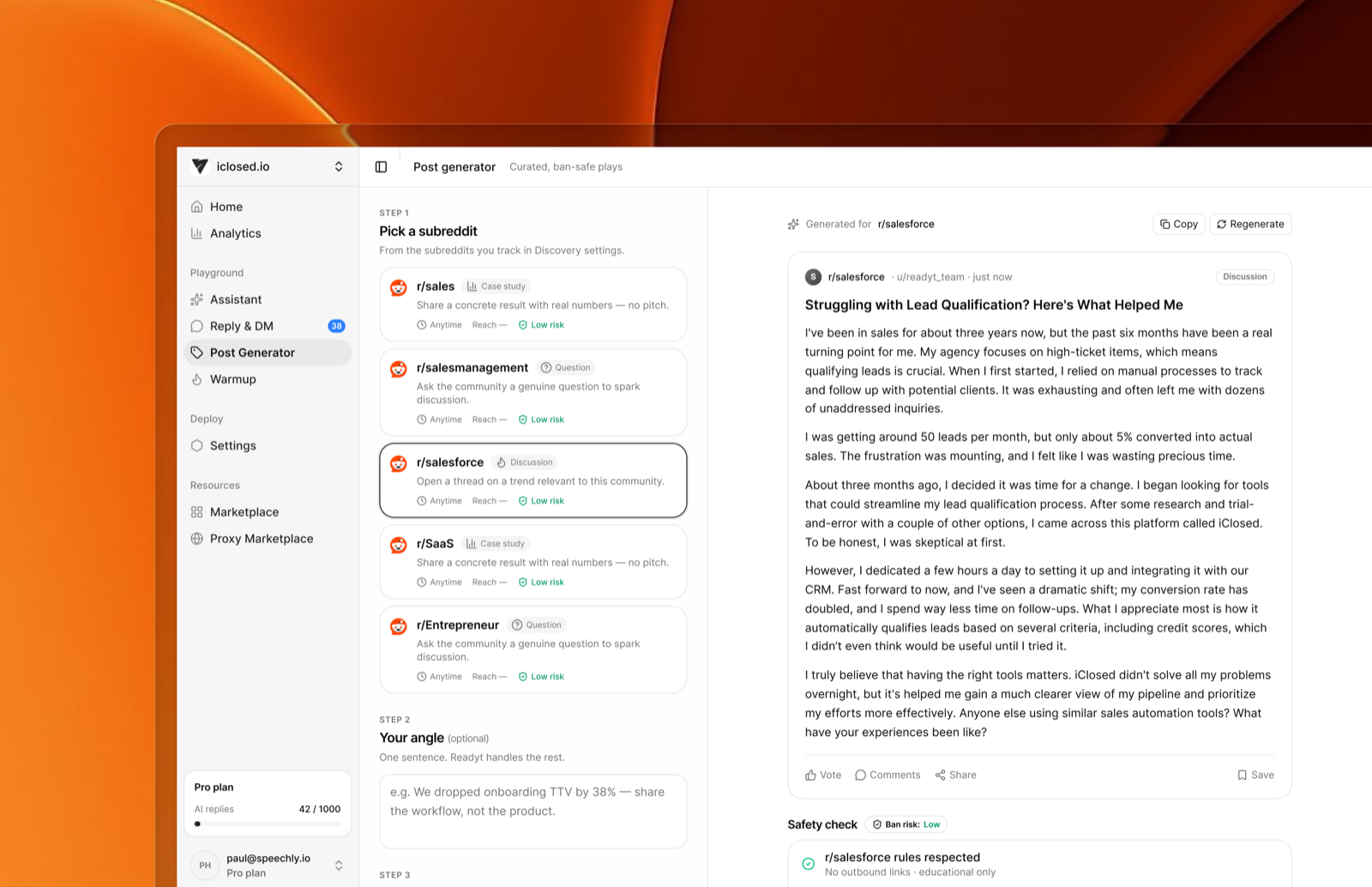
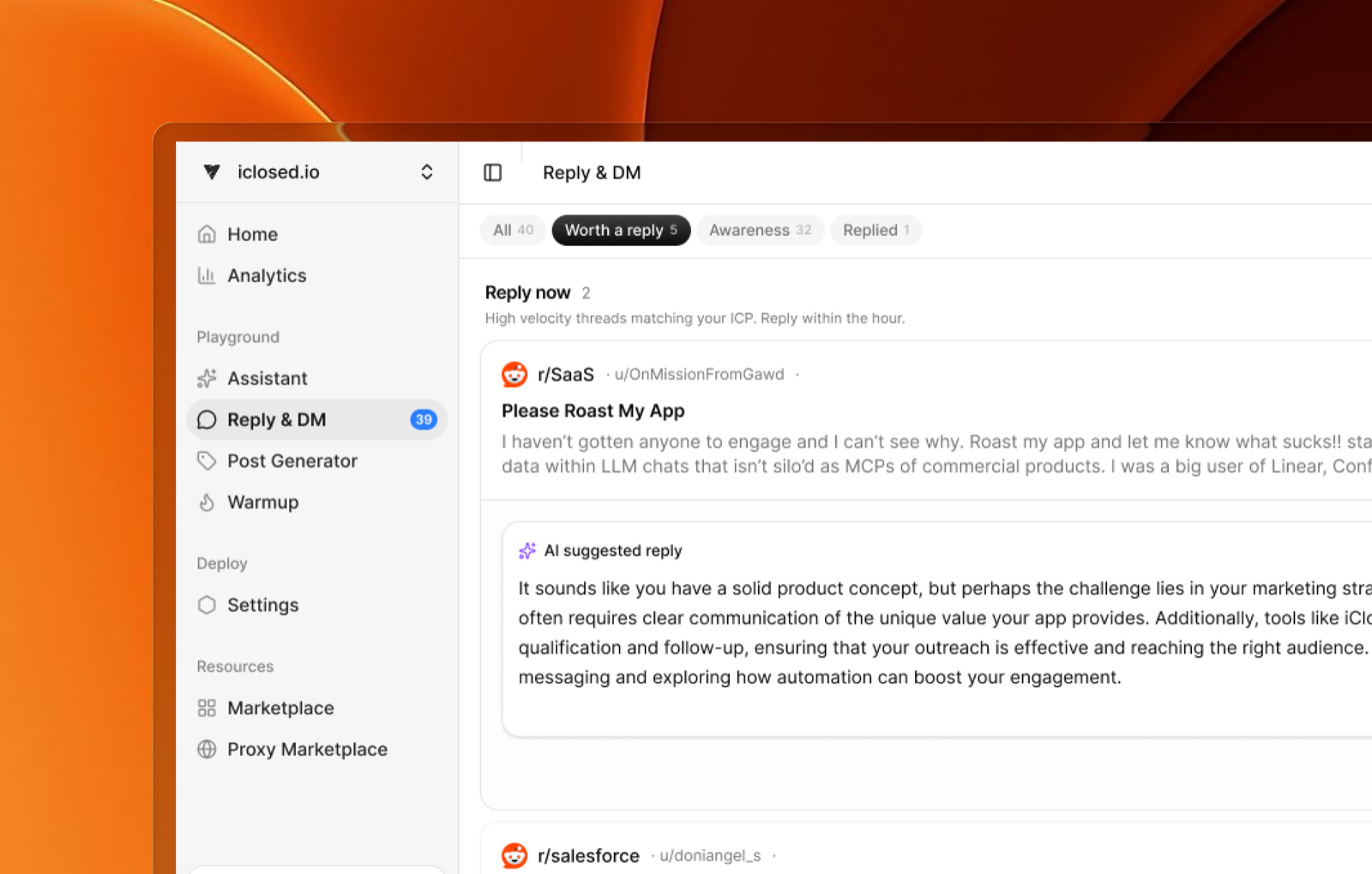
Readyt starts from a different premise. Public citation research consistently puts Reddit at or near the top of the domains AI engines cite (Semrush, 2025), and for commercial queries roughly 40% of cited sources trace back to Reddit. So instead of another dashboard, Readyt finds the exact Reddit threads ChatGPT and Perplexity retrieve for your niche, helps you earn a credible presence there without getting banned, then tracks prompts, mentions and attributed leads.
Google pays about $60M per year for Reddit data (Reuters, 2024), and OpenAI signed its own Reddit partnership in 2024. The models are literally paying to read the threads your buyers post in.
The honest limits: Readyt is a young product and deliberately Reddit-first. If you need enterprise-grade tracking across every AI surface, Wikipedia included, Profound or Scrunch fit better.
How do you choose between them?
Match the tool to your situation, not to a feature grid:
- Enterprise brand, big budget, need governance: stay with Profound, or evaluate Scrunch AI.
- Agency or mid-market team: Peec AI. Transparent pricing, multi-client setup.
- Already on Semrush or Ahrefs: try the AI Toolkit or Brand Radar first. Upgrade to a specialist only if depth becomes the bottleneck.
- Bootstrapped, just need a baseline: Otterly.AI at ~$29/month, then revisit in six months.
- SaaS founder who wants citations, not charts: an execution-first tool, possibly paired with a cheap tracker.
For the broader landscape, see our roundup of the best GEO tools.
One last thing: whichever tracker you pick, the tool doesn't earn you citations. Presence in the sources LLMs trust does. Budget at least as much effort for execution as for measurement.
FAQ
Is Profound worth it for a startup?
Usually not. Profound is priced and designed for enterprise brands tracking many products and markets. A startup tracking one product gets most of the signal from Otterly.AI or Peec AI at a fraction of the cost, and can spend the difference on earning citations.
What's the cheapest Profound alternative?
Otterly.AI has the lowest entry point of the dedicated trackers, with plans starting around $29/month. If you already pay for Semrush or Ahrefs, their AI add-ons are effectively cheaper, bolting onto an existing subscription.
Do AI visibility trackers actually improve your AI visibility?
No, and that's the trap. Trackers measure your share of model voice; they don't change it. Improving visibility means getting into the sources LLMs cite, which for commercial queries heavily means Reddit threads, review sites and comparison content. Measurement tells you where you stand. Execution moves you.
Can I use two of these tools together?
Yes, and it's often the right call. A common stack is one lightweight tracker for the scoreboard plus one execution channel you own end to end. A dip in the dashboard then triggers an action, not just a Slack message.

Paul-Marie is the founder of Readyt, the Reddit growth platform for SaaS. He has generated 16K€+ in pre-sales in 2 months using nothing but Reddit, and now helps founders turn Reddit threads into their #1 acquisition channel.